I don’t have one plan that fits everyone. I choose the way we work based on what you bring, and we make changes at a pace that feels safe for you.
Step by step
What working together looks like
1
Consultation
We get to know each other. You tell me what brings you, as much as you feel ready to share. You don’t need a plan.
2
Agreeing on a direction
I tell you honestly how I see your situation and what I can offer. We agree on a goal, how often we meet and in what form.
3
Regular sessions
We look at emotions, bodily reactions, thoughts and relationships, including what happens between us in the room.
4
Change in everyday life
We check what is changing outside the room and return to your goals. We decide together when therapy ends.
Methods
What I draw on in my work
ISTDP psychotherapy
Intensive Short-Term Dynamic Psychotherapy. It helps you reach the emotions we defend against and recognise the mechanisms that keep symptoms going. It can be more direct than other forms of therapy.
Usually 90 minutes, every two weeks.
Addiction therapy
Practical work on stopping the addiction and preventing relapse. I use motivational interviewing and cognitive-behavioural techniques.
Usually 50 minutes.
Somatic Experiencing
Work with the nervous system. Carefully, in small steps (titration and pendulation), I help the body release tension left behind by difficult experiences.
Often combined with ISTDP.
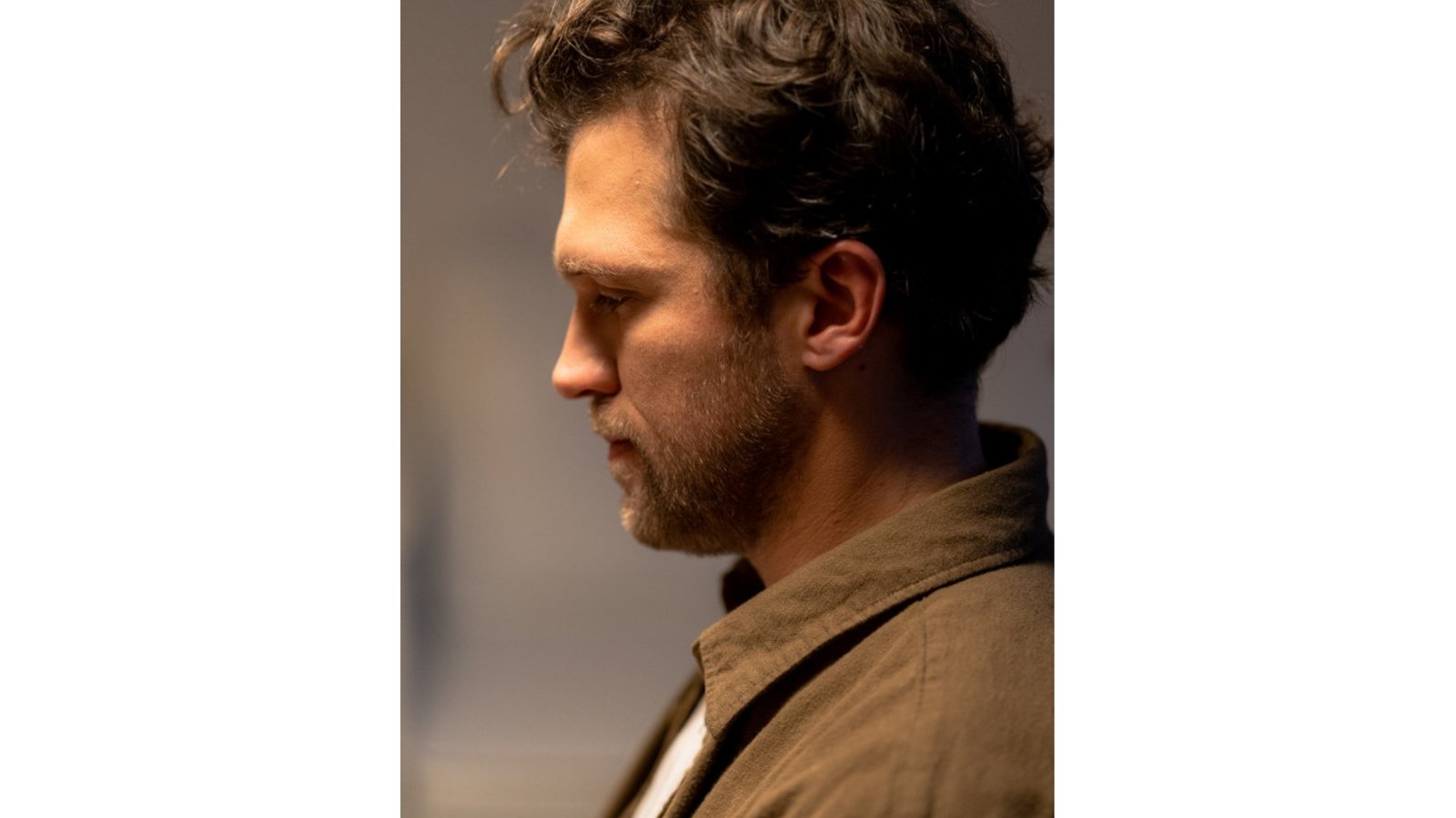
My principle
“First, do no harm.”
Change needs safety and time. That’s why I don’t push things faster than they can go, and I pay close attention to what is happening for you as we work. If I think someone else would help you better, I will tell you so directly and point you to them.
What you can always count on
- what you say is covered by professional confidentiality
- I don’t judge or shame you
- I respect your pace, and you can always say “stop”
- you can always ask why we are working this way